Veneers are one of the most popular solutions in aesthetic dentistry for transforming a smile. However, veneer prices depend on many factors: material, fabrication method, the dentist's experience and the clinic's technology.
Veneer types and price differences
- Composite veneers – the most affordable option. Made directly on the tooth in one visit. Lifespan 5–7 years.
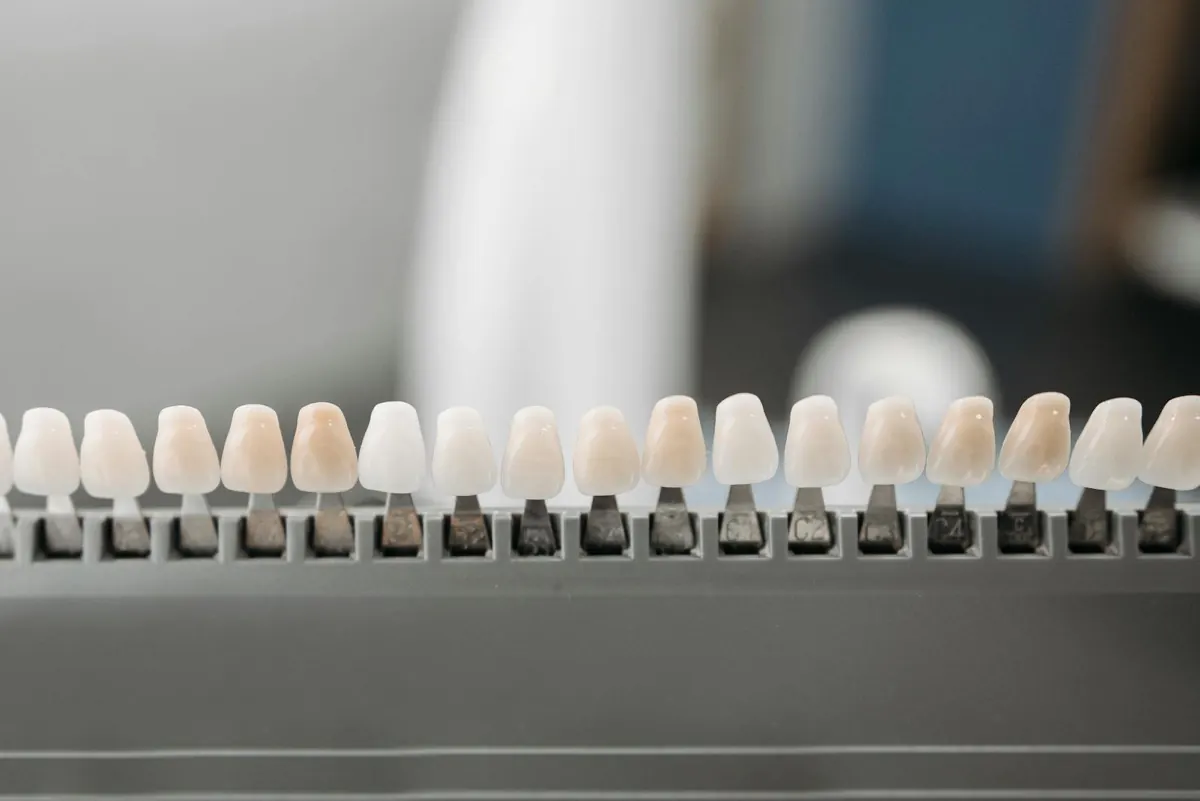
- Ceramic (E-max / press) veneers – the most chosen option. Made with CAD/CAM, natural translucency, lasting 10–15 years.
- Zirconia veneers – high strength, especially for back teeth and larger restorations.
- Lumineers – ultra-thin (0.2–0.3 mm), virtually no tooth preparation required.
Factors that affect veneer pricing
- Material and brand (US, German brands cost more)
- Number of teeth and smile-design planning
- Digital protocols (DSD, photography, mock-up)
- In-house lab vs outsourced production
- Dentist's specialty and experience
Why "cheap" veneers are a poor choice
Very low-priced veneers are typically made from inferior materials or by inexperienced technicians. Within 1–2 years you may see discoloration, leaking margins, gum inflammation and need replacement – ultimately costing more.
Smile design – plan first, price second
In modern aesthetic dentistry, individual smile design precedes pricing: facial analysis, photography, digital mock-up. Only afterward do you receive a precise quote – and you see the result in advance.
Free consultation
At German Dental Clinic Baku, your first aesthetic-dentistry consultation is free. The dentist will recommend the right veneer type and give you an exact price.
Clinic services on this topic
- Veneers — ceramic and composite, made in the in-house lab
- Aesthetic dentistry — veneers, crowns, restorations and whitening
- Diagnostics — 3D CBCT, intraoral scan and photo protocol: the step that comes before treatment
Book online or call +994 10 208 01 04.