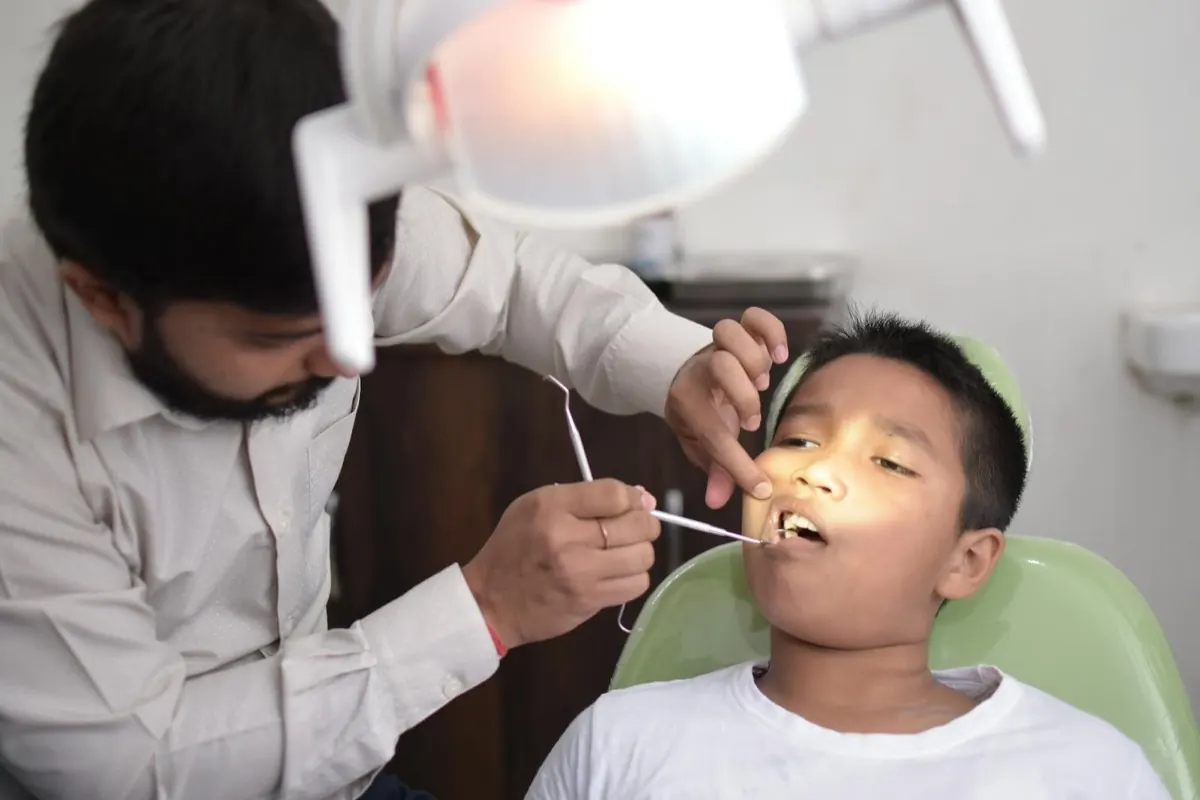
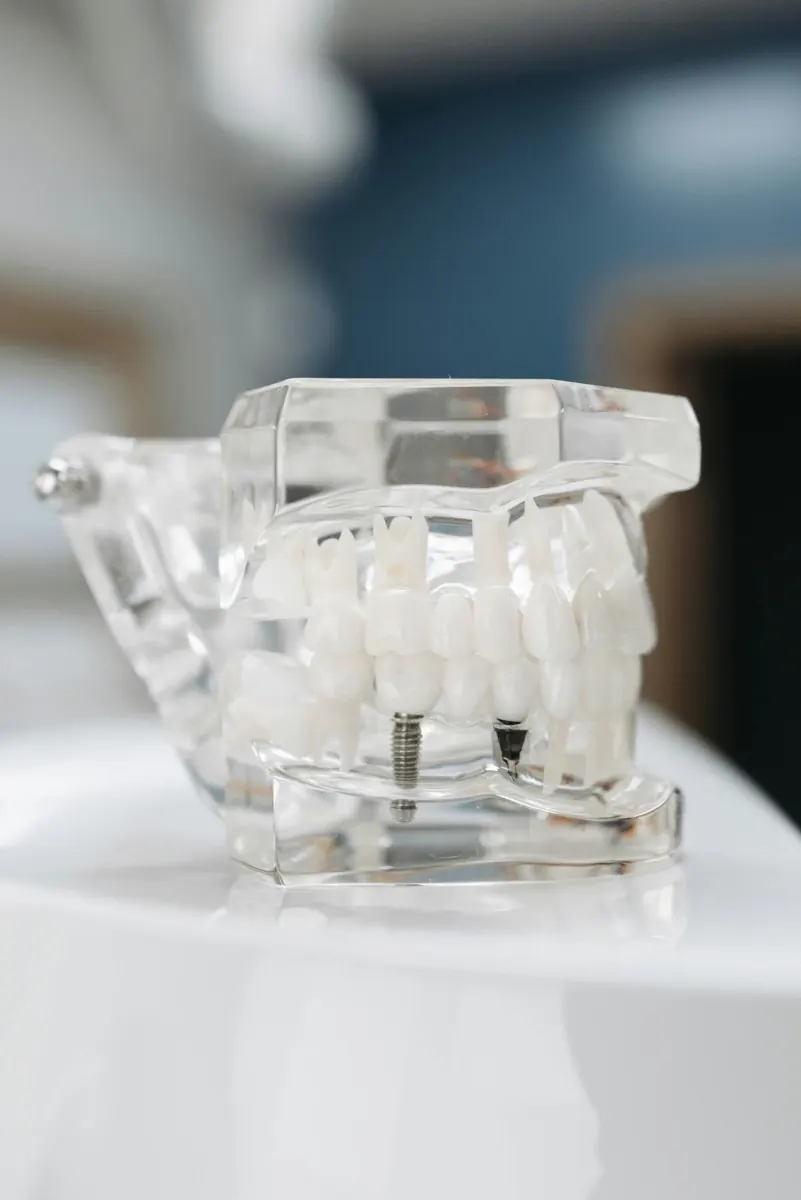
Getting used to a new removable denture is a process. Speech, chewing and even taste adapt over about 2–4 weeks. During this period proper care and realistic expectations are the key to comfort.
Day one — what to expect
- Foreign-body sensation in the mouth
- Increased salivation
- Speech changes (especially "s", "sh" sounds)
- Mild pressure and discomfort in the gums
- Occasionally — gag reflex (more often with full upper denture)
All of this is normal. But strong pain, bleeding or large sore spots — see the dentist.
First weeks — how to adapt faster
- Soft food first (soup, purée, yogurt)
- Small bites, chew on both sides (so the denture doesn't dislodge)
- Avoid crunchy and hard foods for 2 weeks (nuts, whole grains)
- Practice speech — read aloud, talk in front of a mirror
- Keep the new denture in for the first 24 hours — gums form
Daily care
- Remove and clean after every meal
- Soft denture brush + special paste (regular toothpaste is abrasive)
- Overnight in a special solution (effervescent tablet 2–3 times a week)
- Also clean the mouth — tongue, mouthwash
- Clean over a bowl of water so it doesn't break if dropped
When sores are normal, when they aren't
Sore spots for 1–2 weeks with a new denture are normal — the dentist adjusts them. But large, bleeding sores lasting more than 3 days require a visit.
How long does it last?
Acrylic dentures last 5–7 years; small adjustments are needed in the first 6–12 months. Because the jawbone shrinks over time (without load), a reline or new denture may be needed every 3–5 years.
Read more
Consultation | +994 10 208 01 04