
Pediatric Dentistry
- Home
- Pediatric Dentistry
Pediatric dentistry in Baku — children dentist and prevention
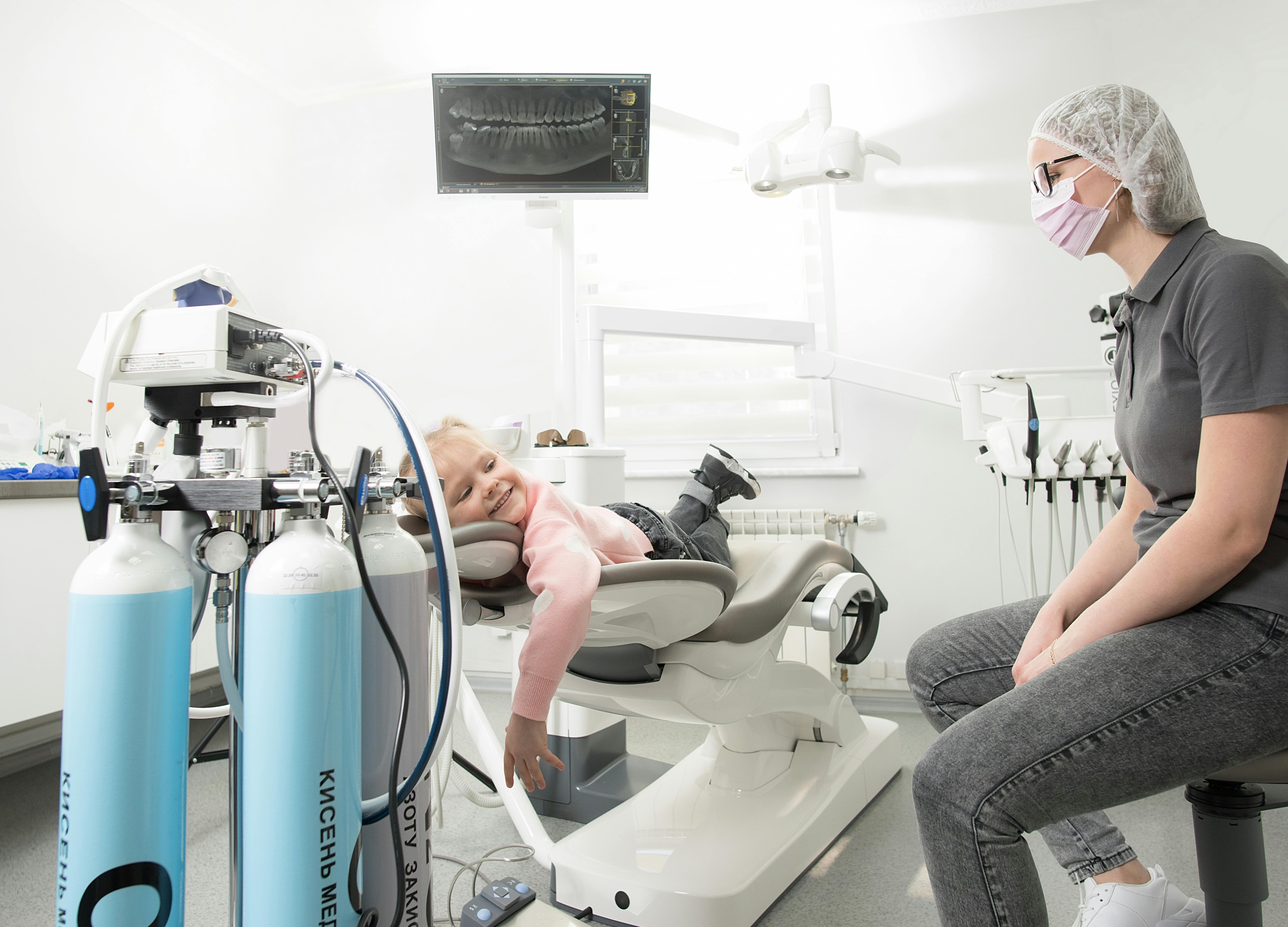
Pediatric dentistry is not only about treating primary and permanent teeth — it is also about what a child first experience at the dentist turns out to be. At German Dental Clinic the appointment is built around the child age: the dentist gets acquainted first, shows the instruments and only then starts the examination.
When the first visit should happen
The best time for a first check-up is within 6 months of the first tooth appearing, and no later than the first birthday. Nothing is treated at that visit: the dentist checks the eruption schedule, shows the parent the brushing technique and gives dietary advice. An early introduction prevents fear of the dentist later.
What a pediatric dentist treats
- decay in primary teeth, including bottle caries;
- delayed eruption or misplaced permanent teeth;
- chipped and injured teeth — falls and knocks;
- gum inflammation and stomatitis;
- early loss of a primary tooth and holding the space;
- the effect of habits such as thumb sucking or mouth breathing on the bite.
Prevention: staying ahead of decay
- Fissure sealants. The deep grooves of permanent molars are sealed so food debris cannot collect in them.
- Fluoride application. Professional varnishes and gels strengthen the enamel; frequency is set by the child caries risk.
- Professional hygiene. Gentle cleaning removes plaque, and the child is taught to brush independently.
- Regular check-ups. A visit every 6 months catches early decay while it is still painless.
Do primary teeth need treating
Yes. A primary tooth takes part in chewing until it is shed and holds the space for the permanent one. Untreated decay progresses to pulpitis and inflammation in the jawbone, which can affect the developing permanent tooth underneath. Losing a primary tooth early lets neighbouring teeth drift and often leads to orthodontic treatment later.
How we work with a nervous child
The appointment is kept short and predictable: the dentist narrates each step in language the child understands, instruments are shown in advance, and the child gives a signal when they want a pause. For very anxious or very young children, and where a large amount of treatment is needed, sedation is discussed separately and used only where there is a medical indication.
Daily care — what matters for parents
- brushing twice a day from the first tooth, with an age-appropriate soft brush;
- until about age 7–8 a parent should check or finish the brushing;
- no milk or sweet drinks at night after brushing;
- do not spread sweets across the whole day — each portion is another acid attack;
- children floss where the teeth sit tightly together.
When primary teeth come through and are shed
The first incisors usually appear between 6 and 10 months, and by 2.5–3 years all 20 primary teeth are in place. Shedding starts around age 6, again with the front incisors, and continues to age 12–13. A few months either way is normal — what warrants a look is a broken sequence, a permanent tooth erupting behind a primary one that has not yet fallen out, or one side lagging noticeably behind the other. A check-up in those cases makes it possible to plan space for the teeth still to come.
Frequently asked questions
How should a child be prepared for a first visit?
Talk about it calmly, do not describe procedures in detail and avoid frightening words (pain, injection, pulling a tooth). It works best presented as an ordinary check-up.
Should children toothpaste contain fluoride?
Current guidance recommends fluoride toothpaste from the first tooth, with the amount changing by age: a rice-grain smear under 3, a pea-sized amount after that. The exact concentration is chosen by the dentist according to caries risk.
What if a child chips a tooth?
Rinse the area with cool water, apply a cold compress to the cheek and see a dentist as soon as possible. If a tooth is knocked out whole, place it in milk or saline and do not hold it by the root.
When should a child see an orthodontist?
The best age for a first orthodontic assessment is 7–8, while jaw growth can still be guided.
See also: A child first dental visit · Preventing caries in children · Primary teeth: the timeline · A chipped tooth in a child · Sedation dentistry · Sedation in dentistry
Book an appointment for your child — after the examination the dentist will go through the prevention plan and, if needed, the treatment stages.