
Endodontics
- Home
- Endodontics
Endodontics in Baku — root canal treatment under a microscope
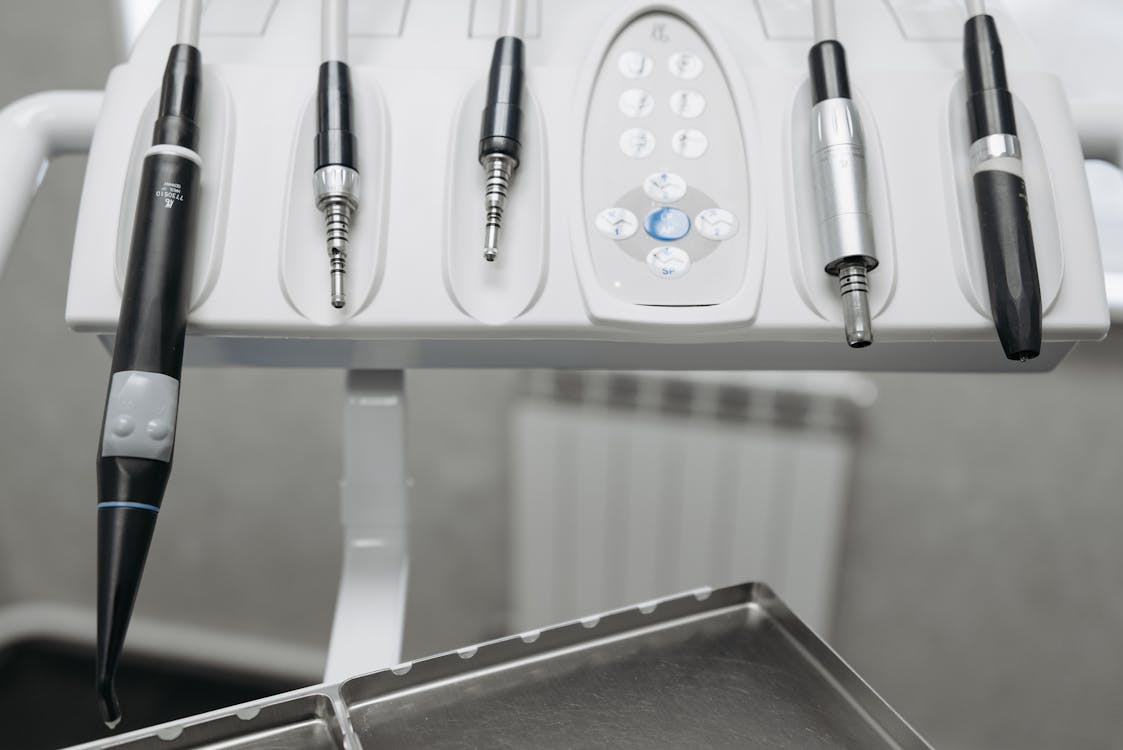
Endodontics treats the soft tissue inside the tooth — the pulp and the root canals. The aim is straightforward: clear the infection and keep the tooth instead of extracting it. At German Dental Clinic root canal treatment is carried out under a dental microscope with digital radiographic control.
When root canal treatment is needed
- deep decay that has reached the pulp;
- pulpitis — sharp, lasting pain that gets worse at night;
- periodontitis — inflammation at the root tip, pain on biting;
- trauma that has damaged the pulp;
- retreatment of canals filled incompletely or poorly in the past;
- preparing a tooth for a crown or bridge where indicated.
Symptoms that call for an appointment
A lingering reaction to hot and cold, pain on biting, a swollen gum or a sinus tract, a darkening tooth. Pain stopping on its own does not mean the tooth has recovered — more often it means the pulp has died, while the inflammation keeps spreading towards the root tip.
Treatment stages
- Diagnostics. Examination, digital x-ray or CBCT, pulp vitality testing.
- Anaesthesia and isolation. The tooth is isolated with a rubber dam so saliva and bacteria cannot enter the canal.
- Access and shaping. Under the microscope every canal is located and shaped, including extra and curved ones.
- Disinfection. Canals are irrigated with antiseptic solutions; in some cases a temporary medicament is placed.
- Obturation. The canals are sealed and a check radiograph is taken.
- Restoration. The crown of the tooth is rebuilt with a filling or a crown.
What the microscope changes
Root canal anatomy is usually more complex than the naked eye suggests: accessory canals, sharp curves, calcified sections. A microscope shows these structures under high magnification and directed light, so cleaning is more complete and less healthy tissue is lost. In retreatment — removing old filling material or locating a separated instrument — the microscope matters even more.
Rebuilding the tooth afterwards
A root-treated tooth is more brittle, because internal tissue and often part of the crown are gone. On back teeth a crown or an onlay is usually recommended, which prevents a vertical fracture. On front teeth a composite restoration is often enough. Completing the restoration promptly has a direct effect on how long the result lasts.
The first days after treatment
- mild tenderness on biting for the first 2–3 days is normal;
- avoid hard food on that side until the permanent restoration is placed;
- if a temporary filling comes out, contact the clinic without waiting;
- increasing pain, swelling or a temperature needs an urgent visit.
Root canal treatment or extraction
Keeping your own tooth is almost always preferable: a natural tooth transmits chewing load to the bone correctly and holds the neighbouring teeth in place. Root canal treatment is possible when the bone support around the root is intact, the root is not split and enough of the crown remains to rebuild. With a vertical root fracture, decay deep on the root or significant bone loss, extraction followed by implant restoration is the more predictable route. The decision is based on the x-ray or CBCT.
Follow-up after treatment
The result of root canal treatment shows over months rather than immediately: bone at the root tip rebuilds gradually. A control image is therefore taken after 6–12 months and compared with the previous one. If the tooth has been free of pain and comfortable on biting in that time, things are usually going well — and the follow-up confirms it objectively.
Frequently asked questions
Is root canal treatment painful?
Treatment is carried out under local anaesthetic and is not painful. The worst pain is usually the one that came before it — pulpitis pain is what the treatment removes.
How many visits does it take?
Many cases are completed in one visit. Where inflammation has spread or the canal anatomy is complex, two visits with a temporary medicament may be planned.
How long does a treated tooth last?
With properly sealed canals and a crown placed in good time a tooth can serve for many years. The main risk is a delayed restoration and a fractured tooth.
Can a root-treated tooth hurt again?
Yes, if a canal was not sealed completely or the seal has been broken. Those cases are handled with endodontic retreatment.
See also: Toothache: causes and first aid · Dental abscess · Pain after a filling · Facial swelling from a tooth · 3D diagnostics
Book an appointment — after diagnostics the dentist will explain the state of the canals and the treatment stages.