
Services
- Home
- Services
Dental services in Baku
German Dental Clinic is a full-cycle practice: diagnostics, restorative treatment, surgery, orthodontics and prosthetics all happen in one place. It means the surgeon planning an implant, the endodontist treating the canals and the prosthodontist making the crown work from the same treatment plan — the patient does not have to carry information between clinics.
Each of the areas below has its own page, with the treatment stages, timelines and answers to the questions patients ask most.
Our Services

How treatment is planned
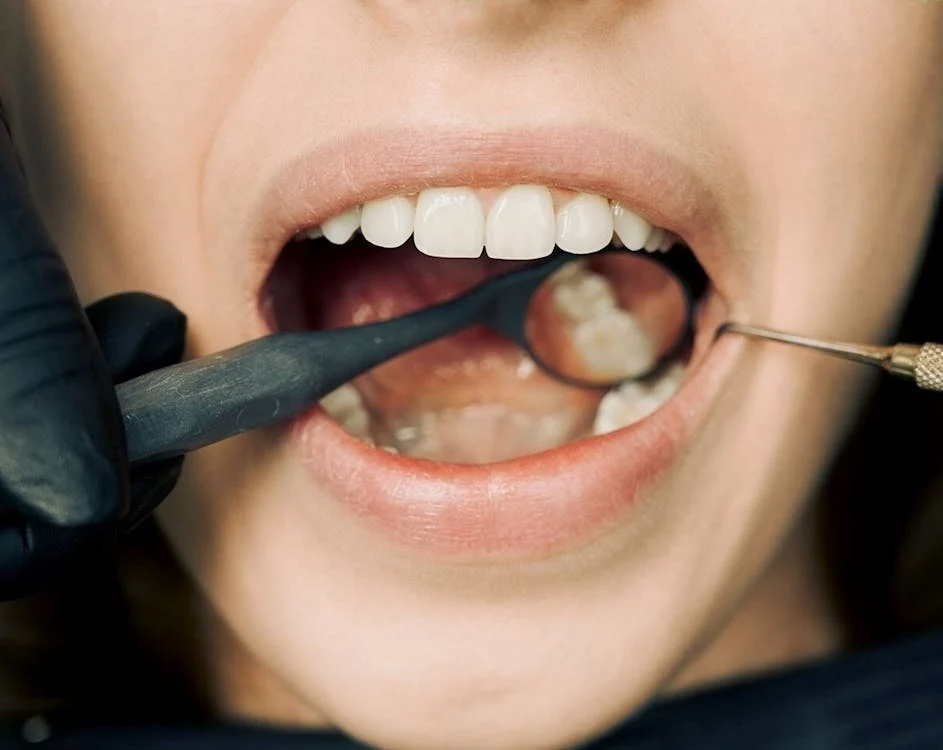
- Consultation and examination. Your complaint, medical history, the state of your teeth and gums.
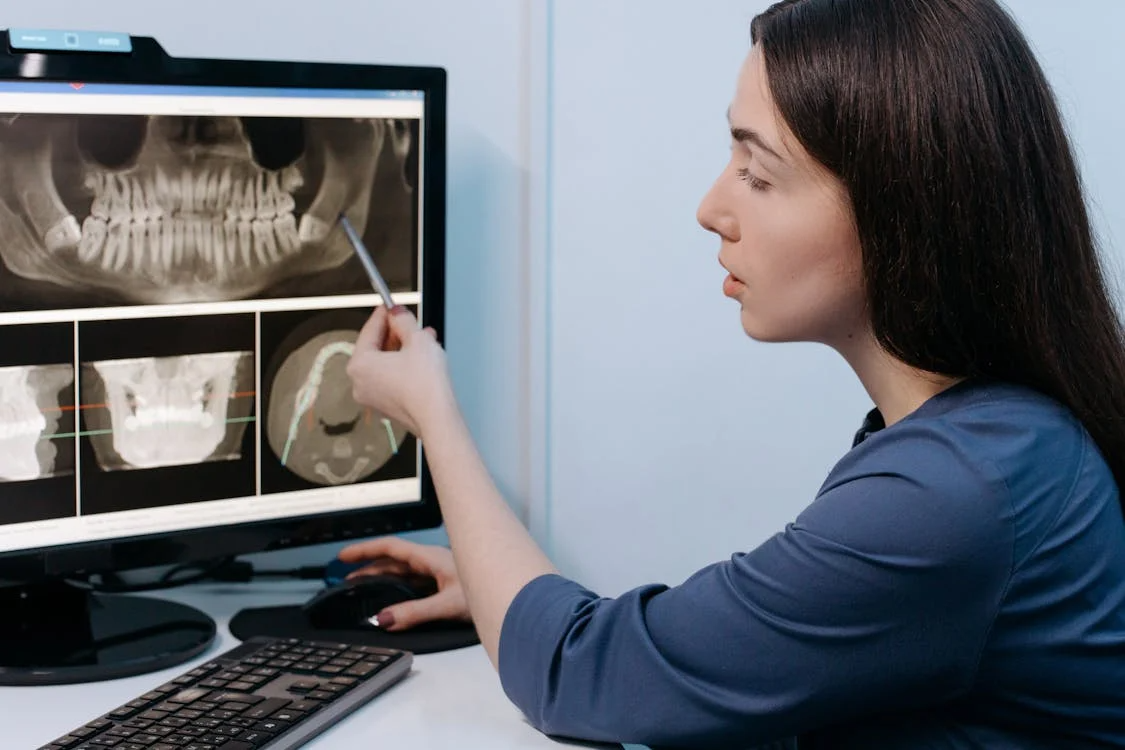
- Diagnostics. A digital x-ray and, where needed, 3D imaging and an intraoral scan.
- Treatment plan. Stages, order and indicative timelines are reviewed together.
- Treatment. The stages are carried out in the agreed order.
- Review and prevention. Regular check-ups and professional hygiene hold the result.
Where to start
If you have a specific complaint — pain, swelling, a broken tooth — book an examination straight away. If there is no complaint and the goal is prevention, the starting point is professional hygiene and a check-up: they catch decay and gum inflammation while both are still painless. If you are planning aesthetic or orthodontic changes, the first step is diagnostics — modelling the result in advance depends on it.
Areas of treatment
- Emergency care — acute pain, swelling, a broken or knocked-out tooth: pain and inflammation are dealt with first.
- Diagnostics — digital x-rays, 3D imaging and intraoral scanning; the starting point of any treatment plan.
- Hygiene and prevention — ultrasonic scaling, AirFlow, fluoride application; the basis of caries and gum disease prevention.
- Endodontics — root canal treatment and retreatment under a microscope.
- Periodontal treatment — gum inflammation, pockets, bone loss and the maintenance phase.
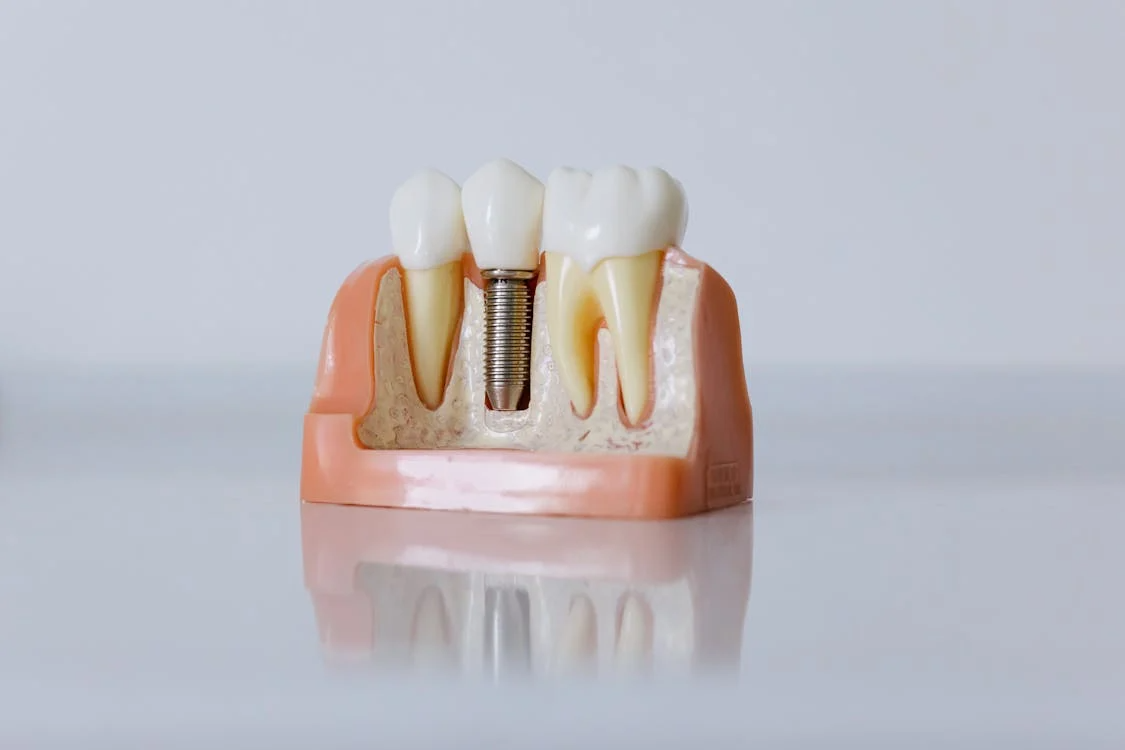
- Implants — restoration from a single tooth to a full arch, with 3D planning.
- Orthodontics — fixed appliances, clear aligners and retention.
- Gnathology — TMJ disorders, bruxism and bite problems: diagnostics and splint therapy.
- Aesthetic dentistry — veneers, whitening and smile design.
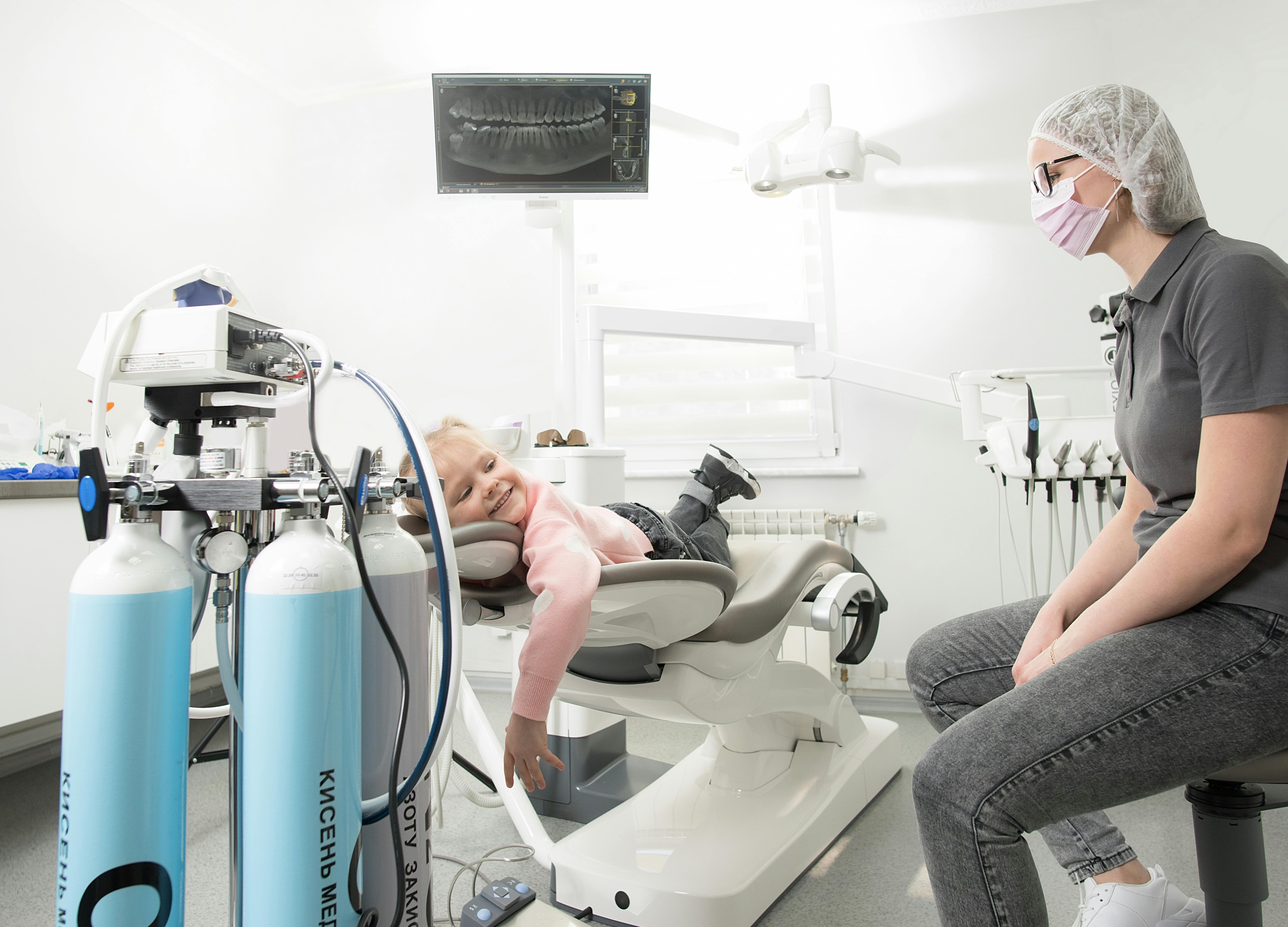
- Pediatric dentistry — prevention, fissure sealants and age-appropriate treatment.
- Sedation dentistry — for dental fear and extensive treatment; only when medically indicated.
Why it matters that it is one clinic
Complex cases rarely stay within one area: preparing for an implant involves treating the gums, and an aesthetic restoration often needs an orthodontic stage first. In one clinic the dentists look at the same diagnostics and the same digital model, and the order of stages is agreed in advance. For the patient that means fewer repeat examinations, fewer repeat images and fewer contradictory recommendations.
Urgent situations
Acute toothache, facial swelling, a tooth broken or knocked out in an accident, bleeding that will not stop — these do not wait. At an emergency appointment pain and inflammation are dealt with first, and the full treatment plan is drawn up once the situation is stable. If a tooth has been knocked out whole, do not hold it by the root: put it in milk or saline and bring it in as fast as possible — the chance of replanting it is limited to the first hours.
More: emergency dental care — what counts as urgent, what to do before you arrive and what happens at the visit.
Insurance and paperwork
The treatment plan is set out in stages, so it can be submitted to an insurer or an employer. The Insurance section explains which formats the clinic works with. Diagnostic images are issued as files and can be shown to another specialist for a second opinion — particularly useful with long plans such as implants and orthodontics.
Frequently asked questions
Which dentist should I book with?
If you are not sure, book a general examination: the dentist will assess the situation and refer you to the right specialist. It is the shortest way to avoid spending time in the wrong direction.
In what order does treatment go when several areas are involved?
Inflammation and decay are dealt with first, then the gums are stabilised, and only after that are implants, orthodontics and aesthetic work planned.
How often should I come for a check-up?
Once or twice a year in most cases. With periodontitis, braces or implants the interval shortens to every 3–4 months.
Can I come together with my child?
Yes — a pediatric dentistry appointment is booked separately and built around the child age.
Book a consultation — after the examination and diagnostics the dentist will explain the stages and timelines.
Still choosing a clinic? How to choose a dental clinic in Baku: 7 criteria — the criteria you can check before booking.