Periodontitis is inflammation of the gums, jawbone and the ligaments holding the tooth in place. It develops from untreated gingivitis. If detected late, it can cause tooth loss.
Stages of periodontitis
- Mild: periodontal pockets 3–4 mm, bleeding, mild swelling. Minimal bone loss.
- Moderate: pockets 4–6 mm, gum recession, tooth sensitivity, halitosis.
- Severe: pockets over 6 mm, tooth mobility, visible bone loss on X-ray.
Warning symptoms
- Bleeding gums when brushing
- Red, swollen gums
- Persistent bad breath
- Gums receding from teeth
- Tooth mobility
Diagnosis
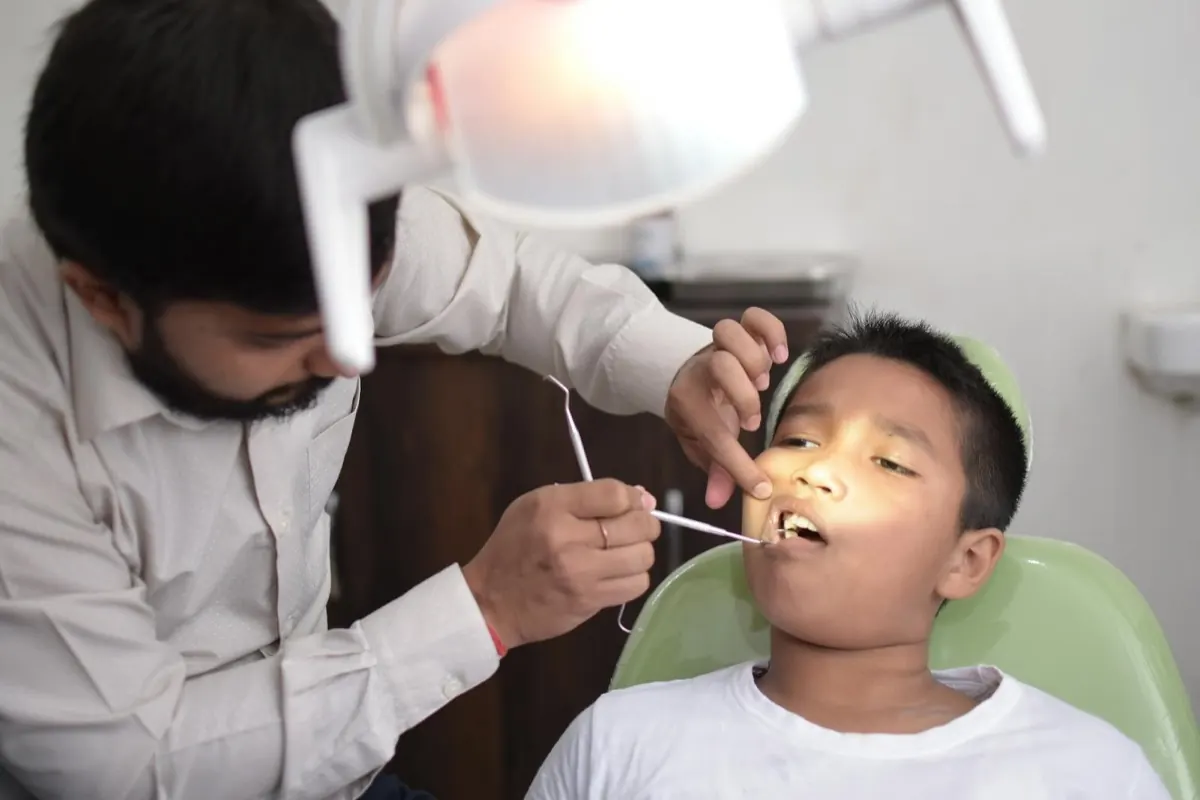
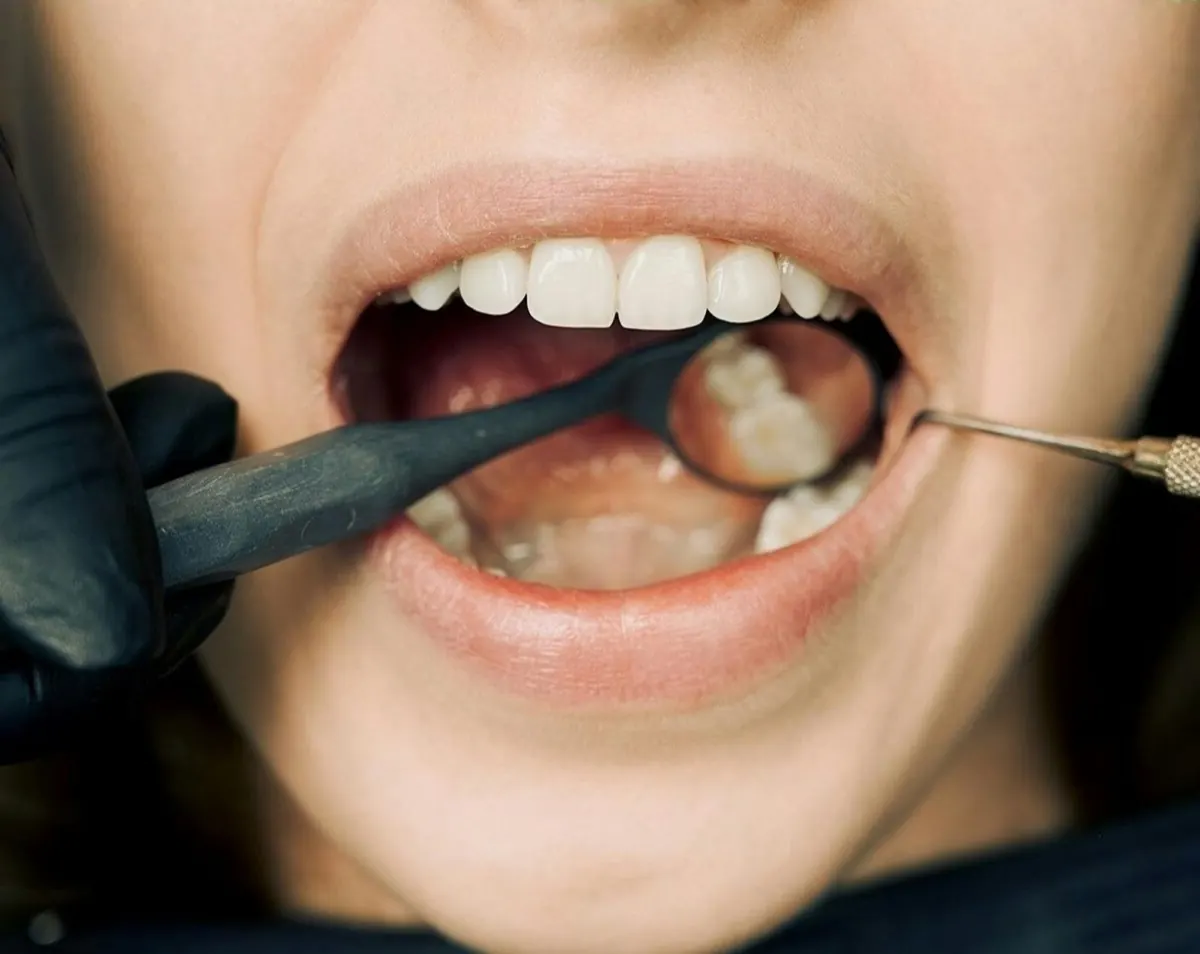
A periodontal probe measures pocket depth; X-rays assess bone level. Complex cases may require 3D CBCT.
Treatment stages
- Professional tartar removal (ultrasonic + AirFlow)
- Subgingival cleaning (SRP — scaling and root planing)
- Severe cases — microsurgery, guided regeneration, bone grafting
- Maintenance therapy: hygiene every 3–4 months
Periodontitis cannot be fully cured, but it can be fully managed. Early diagnosis is the key to saving teeth. Which treatment each stage needs and how it goes: periodontitis treatment.
Periodontitis: frequently asked questions
What is periodontitis and how is it different from gingivitis?
Gingivitis is a surface inflammation of the gum only: it turns red and bleeds, but the bone is not affected, and with proper cleaning it clears up completely. Periodontitis is inflammation that has gone deeper, into the ligaments holding the tooth and the jawbone: the gum detaches from the tooth, a pocket forms and bone is lost. Lost bone does not grow back by itself, but the process can be stopped. That is why bleeding gums are worth treating while it is still gingivitis — see gingivitis.
What causes periodontitis?
The main cause is the bacteria in dental plaque: plaque that is not removed in time hardens into tartar, spreads under the gum and keeps the inflammation going. Risk factors include smoking (which also masks bleeding, so the disease is noticed late), diabetes, a genetic predisposition, stress, hormonal changes in pregnancy, some medicines and not cleaning between the teeth. These factors explain why, with the same hygiene, one person develops periodontitis and another does not.
Is periodontitis contagious?
Not in the way flu is. Bacteria linked to periodontitis can pass from one person to another in saliva (kissing, sharing a spoon), but whether the disease develops depends on that person's own hygiene, immune response and risk factors. If someone in the family has severe periodontitis, it is sensible for the others to have their gums checked too.
Can periodontitis be treated at home?
No. No mouthwash, toothpaste or home remedy removes tartar below the gumline or the bacteria in the pockets — only professional cleaning and subgingival cleaning at the clinic do that. Antiseptic mouthwashes can reduce bleeding for a while and so hide the problem while bone loss continues. Home care matters for keeping the result after treatment: brushing twice a day with the right technique, plus interdental brushes or floss.
Can loose teeth be saved with periodontitis?
Often yes, if enough bone is left. Once the inflammation is cleared, the gum firms up and tooth mobility often decreases; where needed, teeth are splinted together, and in severe cases bone-regeneration surgery is done. Teeth that have lost most of their bone cannot always be kept — they are removed and, once the inflammation is under control, replaced, for example with an implant. An examination and X-ray show which teeth can be kept.
Is periodontitis linked to heart disease and diabetes?
Yes, research shows such a link. With diabetes, periodontitis develops faster and more severely, and chronic gum inflammation in turn makes blood sugar harder to control — the link works both ways. Periodontitis has also been associated with cardiovascular disease and pregnancy complications. So people with diabetes or heart disease have particular reason to have their gums checked regularly.
Read more
- Gingivitis — the start of periodontitis
- Tartar removal
- Bad breath (halitosis): causes and treatment
- Correct tooth-brushing technique
Clinic services on this topic
- Periodontal treatment — treatment of the gums and the tissues around the tooth, controlling inflammation
- Hygiene — professional cleaning: tartar, plaque and the spots a brush cannot reach
Consultation | +994 10 208 01 04