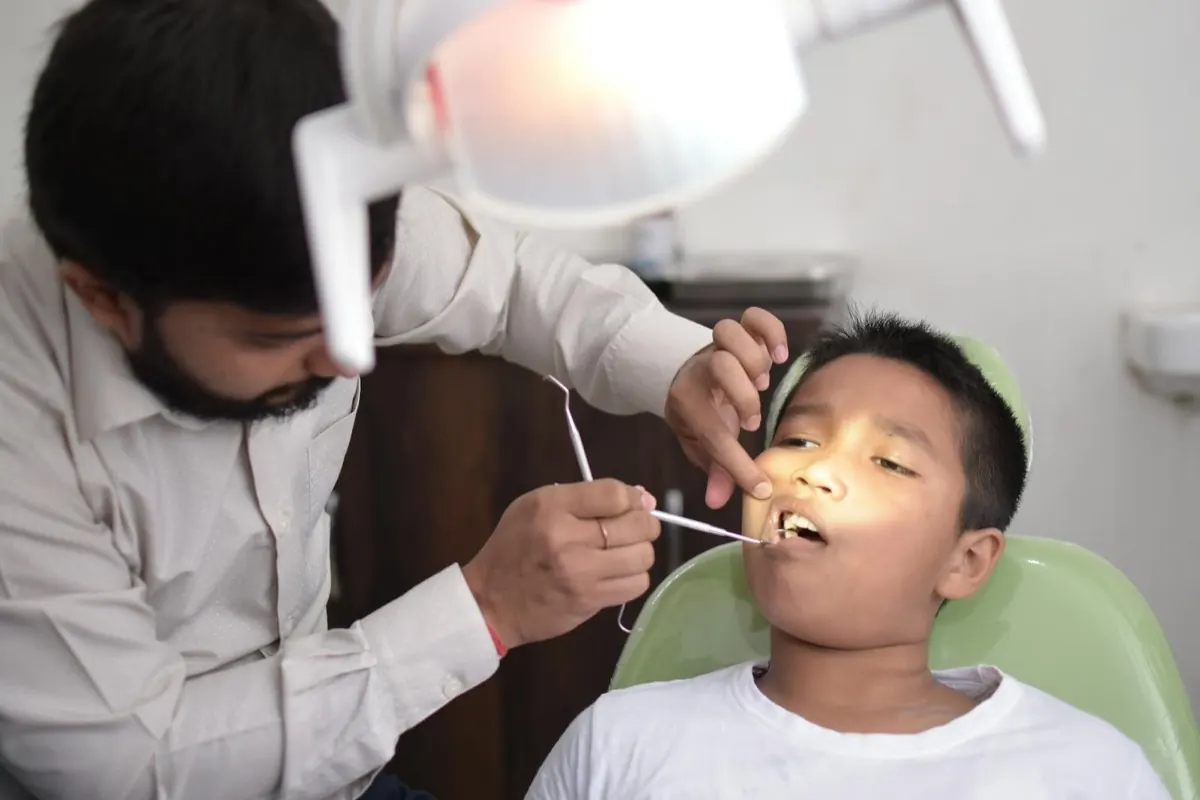

During pregnancy, gums become more sensitive due to hormonal changes. The risk of gingivitis and caries increases. However, treatment is not equally safe at every stage.
When a pregnant patient should visit the dentist
- Before planning the pregnancy — ideal
- First trimester — only for emergencies
- Second trimester (13–27 weeks) — the safest window
- Third trimester — only urgent interventions
Procedures considered safe
- Professional hygiene
- Simple root canal treatment
- Treatment under local anesthesia
- Temporary filling
Procedures to postpone
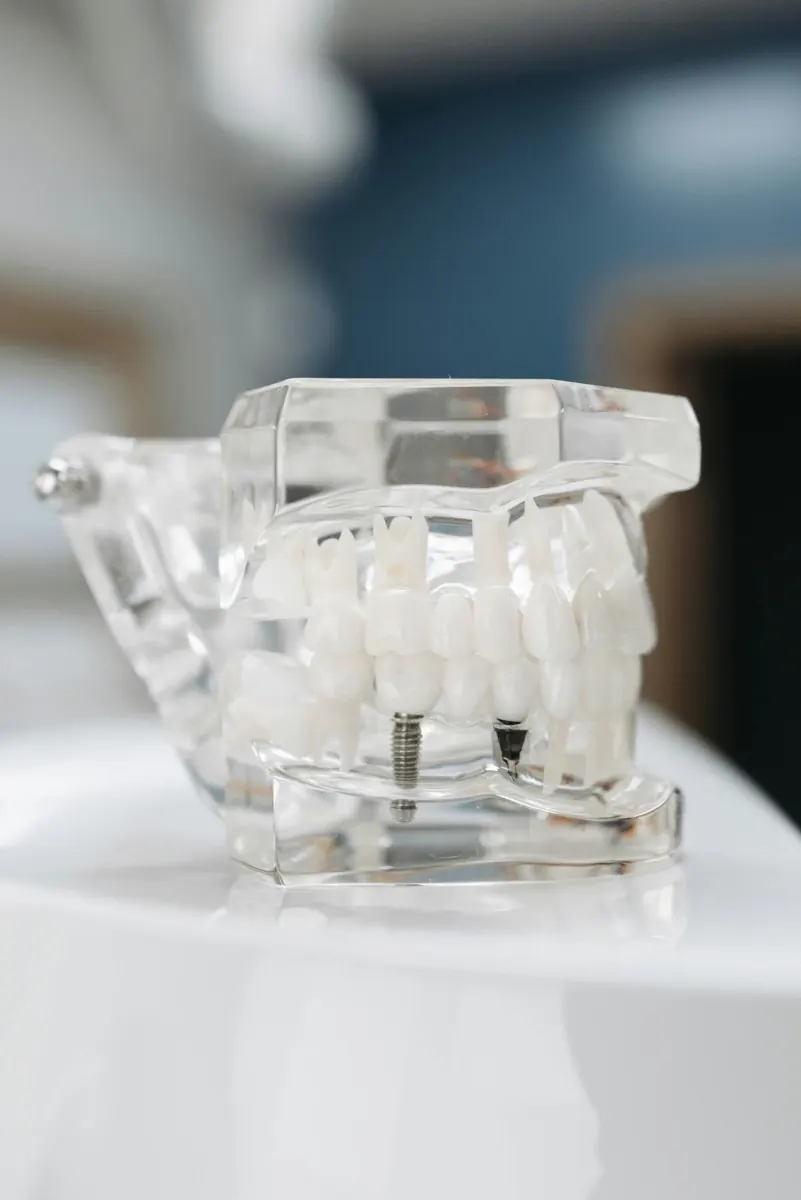
- Elective implant placement
- Aesthetic procedures (veneers, whitening)
- Complex surgical procedures
- X-rays (only when urgently indicated, with a lead apron)
Anesthesia and medications
Local anesthetics used in pregnancy (articaine, lidocaine) are generally considered safe — adrenaline-free formulations are preferred. Antibiotics and painkillers only with the obstetrician's approval.
Home care
- Soft brush, twice a day
- Dental floss
- Morning nausea: rinse with water or baking soda solution
- If possible, resolve dental issues before pregnancy
Specific decisions are made only with joint consultation of OB-GYN and dentist — this article is general information.
Related articles
Clinic services on this topic
- Hygiene — professional cleaning: tartar, plaque and the spots a brush cannot reach
- Diagnostics — 3D CBCT, intraoral scan and photo protocol: the step that comes before treatment
Consultation | +994 10 208 01 04