Bruxism is unconscious clenching or grinding of teeth. It most often happens during sleep, and the patient may not notice. Over time it causes serious damage to teeth, the temporomandibular joint and jaw muscles.
Causes
- Stress and anxiety
- Sleep disorders (sleep apnea)
- Occlusion issues — improper bite
- Certain medications (antidepressants)
- Caffeine, alcohol, smoking
- Genetic predisposition
Symptoms
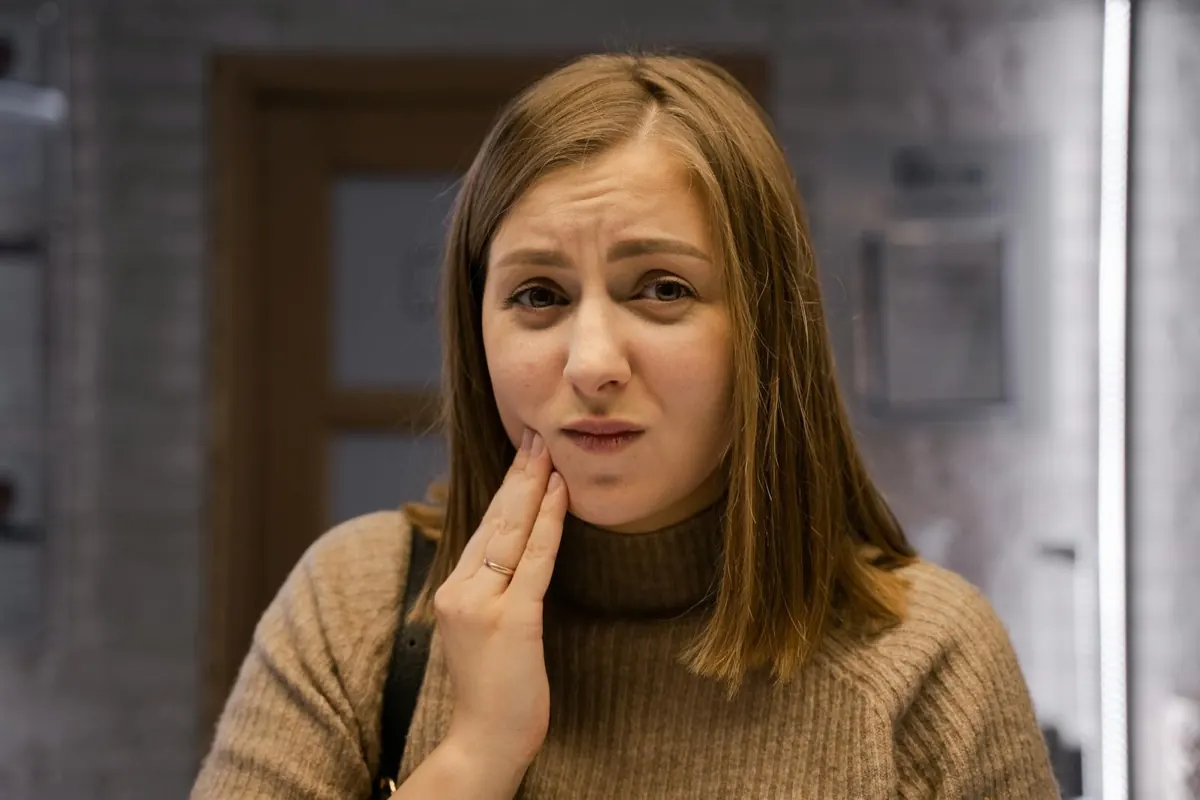
- Morning jaw pain or fatigue
- Temporal headaches
- Tooth wear and cracks
- Tooth sensitivity
- Bite marks on the inside of the cheek
- Family hearing grinding at night
Diagnosis
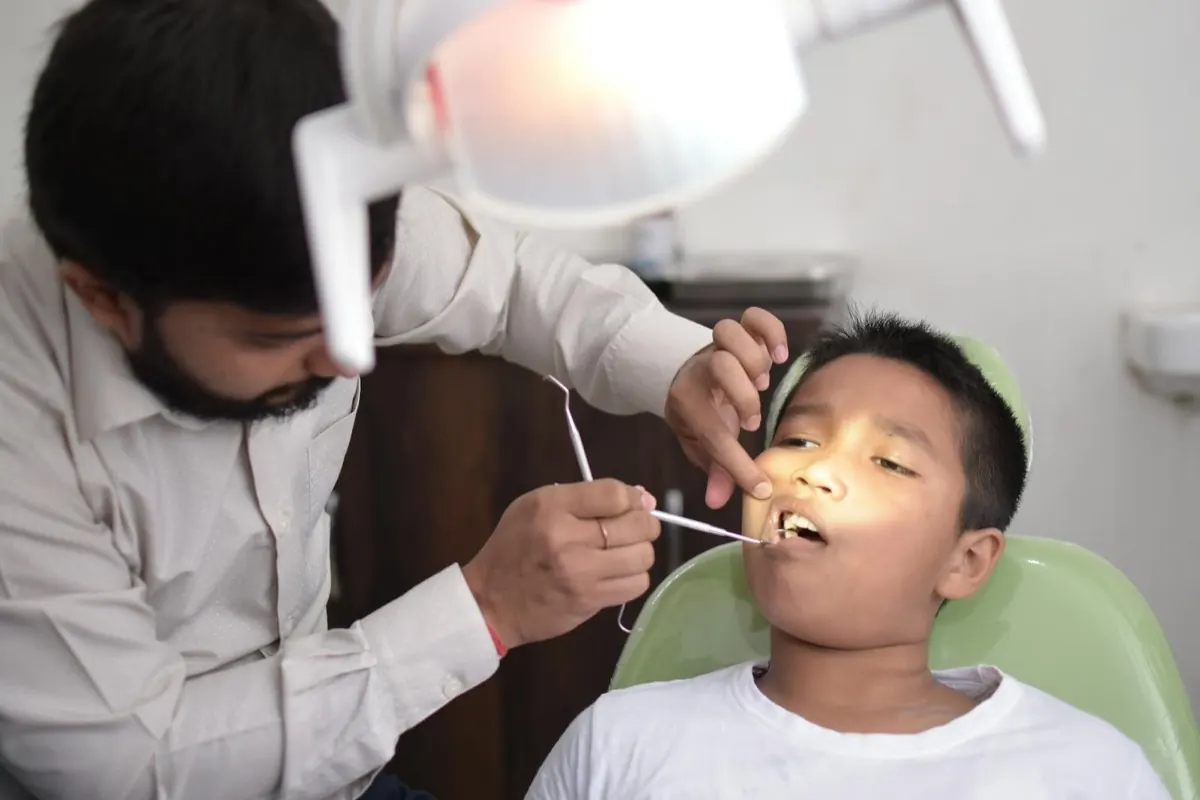
A dentist or gnathologist evaluates: tooth wear patterns, joint condition, muscle tone. Sleep studies (polysomnography) may be needed.
Treatment approaches
- Night splint (mouthguard) — protects teeth, reduces muscle tension
- Stress management (relaxation, therapy)
- Physical therapy and masseter massage
- Bite correction
- Severe cases — botulinum toxin injections into masseter muscles
Bruxism cannot be fully cured, but it can be managed. Early detection and a protective splint can preserve teeth for years.
Read more
Clinic services on this topic
- Gnathology — diagnostics of the jaw joint, bruxism and bite, a custom splint and a treatment plan
- Orthodontics — braces and aligners, digital diagnostics and a staged treatment plan
- Diagnostics — 3D CBCT, intraoral scan and photo protocol: the step that comes before treatment
Consultation | +994 10 208 01 04